

Geothermal Energy (Part 1)
Written by Amardeep Dhanju
December 4, 2025
(Part 1 in a series of blog posts on Geothermal Energy)
What is Geothermal Energy?
Geothermal energy harnesses the natural heat stored beneath Earth’s surface – the heat that originates from the planet’s formation and the ongoing decay of radioactive elements in the crust and mantle. In areas where heat, water and permeable rocks come together, underground reservoirs of hot water and steam can be accessed by drilling wells. The heated fluid is brought to the surface to drive turbines that generate electricity. The cooled water is typically reinjected to the formation to maintain reservoir pressure, conserve the resource, and minimize environmental impacts.
Generating power from geothermal resources typically requires three key elements:
Heat in subsurface rock formations: Sufficient subsurface temperatures, typically from naturally hot rock at depth.
Fluid: Water or working fluid that carries heat from the reservoir to the surface.
Permeability of the rock formations: Natural pores and fractures (or engineered pathways) that let fluids flow and exchange heat.
These natural elements are accessed through geothermal wells, both to evaluate subsurface conditions (exploration) and to bring hot fluids to the surface. Geothermal systems are generally classified into two main categories: conventional and enhanced. In this blog, we focus on conventional geothermal systems. In Part 2, we will address enhanced geothermal technologies.
What is Conventional Geothermal Generation?
Conventional geothermal systems use naturally occurring subsurface reservoirs with heat, fluid, and sufficient permeability to circulate fluids through rock formations. These systems tap hydrothermal resources by bringing hot water or steam to the surface to drive turbines that generate electricity. Because geothermal power requires specific favorable geologic conditions, suitable sites are not widespread, and are typically found near tectonic plate boundaries or volcanic regions. The major types of conventional geothermal plants are:
Dry Steam Plants: Use steam produced directly from underground reservoirs to drive turbines. The Geysers geothermal field is a classic example and remains one of the largest geothermal complexes in the world.
Flash Steam Plants: Extract high-pressure, high-temperature water from deep wells. When water is brought to the surface, the pressure reduction results in some of the water flashing into steam to powers turbines. The Coso Geothermal field in Inyo County uses this approach.
Binary Cycle Plants: Operate with lower geothermal water temperatures by transferring heat to a secondary working fluid – typically an organic compound like isopentane or isobutane – with a low boiling point. This fluid vaporizes at moderate temperatures, enabling efficient conversion of geothermal heat into electricity. The cooled geothermal water is then reinjected into reservoir. The Heber binary plant in California demonstrates this technology.
Where is Geothermal Power Generated in California?
California produces more geothermal energy than any other state in the U.S. California also supports the world's largest geothermal field, The Geysers, located in Sonoma, Lake, and Mendocino Counties. The Geysers geothermal field currently has an installed capacity of about 725 MW. The next largest geothermal generation areas in California are the Salton Sea Geothermal Field in Imperial County and Coso Geothermal Field in Inyo County.
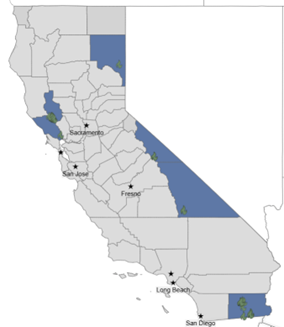
In 2024, 10,453 GWh of geothermal based electricity was generated in the state. For comparison, solar energy projects generated over 50,000 GWh and wind projects generated 15,761 GWh of electricity. In the map below, the counties with geothermal power plants in California are shaded in blue.
History of Geothermal Power Development in California
Geothermal power generation at The Geysers began in the 1920’s and production peaked in 1987. Since then, momentum for new geothermal development in California has largely stalled since prime locations with highest temperatures, easiest access and proximity to transmission have already been developed. However, new geothermal leases issued in 2025 by the Bureau of Land Management on public lands may help reverse this trend by opening access to new sites and unlocking a new wave of projects in the state.
Benefits of Geothermal Energy
Geothermal energy has long been recognized as a dependable source of clean energy with unique characteristics that distinguish it from other renewable sources. Its value as a generation source derives from the following advantages:
Firm and Flexible Baseload Power: Geothermal plants operate 24/7, independent of weather or season, and can ramp up or down to meet demand and support grid balancing needs.
Very Low Carbon Emissions: Modern plants have near zero emissions, and the overall life-cycle carbon intensity – emissions per unit of electricity generation measured over a power plant’s full life cycle - is much lower than fossil fuels and competitive with other renewables.
Local Resource: Geothermal energy taps into heat directly beneath a region, reducing dependence on imported fuels.
Small Land Footprint: Geothermal plants require significantly less land per unit of electricity generation compared to natural gas, wind, or solar energy.
Environmental Impacts of Geothermal Energy
Geothermal energy also presents certain drawbacks and localized impacts.
Geographic Constraints: A key drawback of conventional geothermal energy is that viable resources are limited to areas with naturally occurring heat, permeability, and fluid, restricting development to specific geologic regions.
Induced Seismicity: Injecting or withdrawing fluids can increase the likelihood of small seismic events (earthquakes). The risk depends on the magnitude, frequency, and proximity to infrastructure. Careful monitoring and protocols are essential to manage the risk.
Water Use and Fluid Management: Geothermal systems rely on bringing subsurface fluids to the surface in the form of hot water or steam. If these fluids are not reinjected properly, reservoir pressure can significantly decline over time, resulting in decreased power generation. Additionally, poor handling of produced fluids can lead to spills or contaminated risks.
Local Air Quality Impacts: Construction and drilling can generate dust and localized emissions. In addition, trace hydrogen sulfide and carbon dioxide may be present and typically require abatement systems.
Declining Reservoir Performance: Overuse of a geothermal reservoir without proper reinjection can lower temperature and reduce productivity. Adaptive reservoir management is required to sustain long-term operations.
Land Subsidence: Fluid withdrawal during operations can cause ground deformation in the form of subsidence; however, these impacts are generally smaller than those that occur from oil, gas, or groundwater extraction.
Noise and Visual Impacts: Drilling and well fluid injection generate significant but short-term noise. Steam plumes, pipelines, and well pads may alter visual landscapes, which would be especially concerning in scenic areas.
Why is Geothermal Energy Important Now?
After almost two decades of slow electricity demand growth in the US, load is now rising sharply. The rise is due to electrification of household facilities (heat pumps, water heater, cooking stove), increasing use of electric vehicles, construction of large data centers, and the resurgence of domestic manufacturing. These issues increase the importance of developing more reliable, low-carbon energy. Geothermal energy offers a compelling solution because it is renewable, it operates 24 hours a day, and it’s capable of meeting growing demand while displacing emissions from conventional generation.
Geothermal power is the subject of research and technology advances, which are opening access to new resources and driving down costs. Supportive federal policies including tax incentives, combined with a skilled oil and gas workforce ready to transition into this energy resource, provide a practical pathway for rapid scale-up. With stable pricing, relatively small land footprint, and resilience to extreme weather, geothermal energy is uniquely positioned to help meet today’s surging electricity needs and accelerate decarbonization.
Conclusion
Geothermal energy holds immense promise as a clean, reliable, and flexible energy source. By unlocking earth’s heat, geothermal energy can provide firm, carbon-free power, support grid stability, and reduce dependence on fossil fuels. With extensive experience in environmental review and regulatory compliance, Aspen is well-prepared to assist agencies and developers in the next generation of geothermal development, from early study phases through full project approval. While environmental challenges remain, ongoing innovation, supportive policies, and strategic initiatives are positioning geothermal energy to play a vital role in transitioning to a sustainable energy system.
Watch for Part 2 of this discussion: Enhanced Geothermal Generation Technologies.